April 2, 2026
In today's world, where energy consumption and efficiency are paramount, maintaining your HVAC system is more critical than ever. Routine HVAC services are not just about ensuring comfort; they also play a significant role in extending the life of your system. This article will explore the various aspects of routine HVAC services and how they contribute to the longevity and efficiency of your heating and cooling systems.
Importance of Regular Inspections
Detecting Early Signs of Wear and Tear
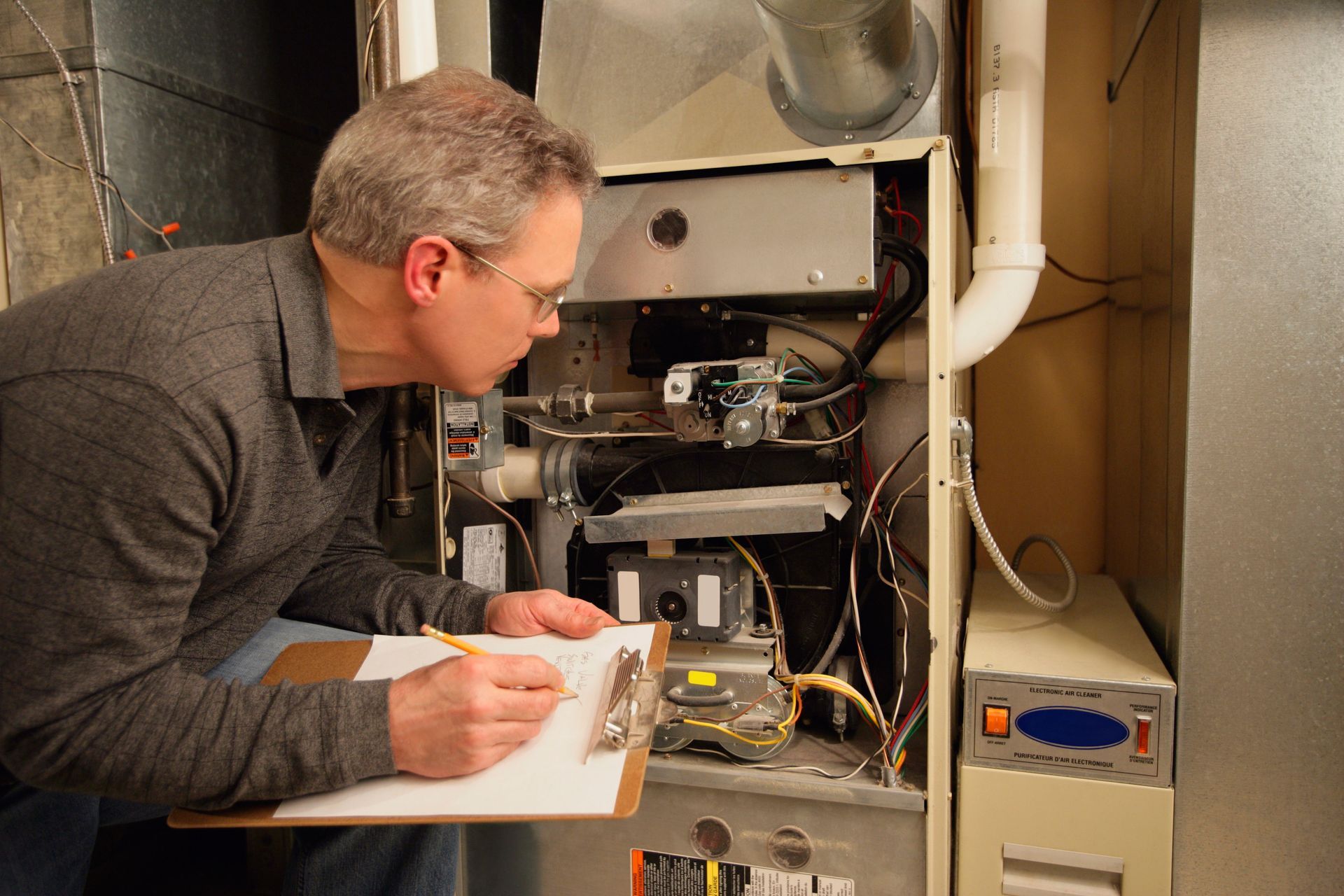
Regular inspections are a cornerstone of prolonging HVAC system life. These assessments help in detecting early signs of wear and tear that might otherwise lead to more significant issues. By identifying minor problems like worn belts or corroded parts early, you can prevent them from becoming larger issues that require costly repairs. Since most heating and cooling issues develop gradually, timely detection through inspections is crucial. Ultimately, these early interventions help maintain system integrity, avoiding abrupt and costly breakdowns.
Ensuring Optimal Performance
Regular HVAC services ensure your system operates at optimal performance levels. By checking the system, professionals can tune it to meet performance standards, which ensures peak efficiency. This includes checking critical indicators like airflow rates and the correct thermostat functionality. An optimally performing system uses less energy, leading to lower energy costs and more consistent climate control within the building. This focused performance prevents the unnecessary stress that might shorten an HVAC system's lifespan.
Compliance with Manufacturer Warranties
Adhering to regular inspections is often a requirement to maintain a valid manufacturer's warranty. Many manufacturers stipulate regular maintenance as a condition, which protects consumers from paying out-of-pocket for repairs due to premature system failure. Routine checks help ensure warranty compliance, safeguarding your investment in the HVAC system. Thus, maintaining records of regular inspections could be highly beneficial if warranty service is needed. This proactive step can save significant expenses in the long run.
Seasonal Tune-Ups and Their Benefits
Adjusting System Components
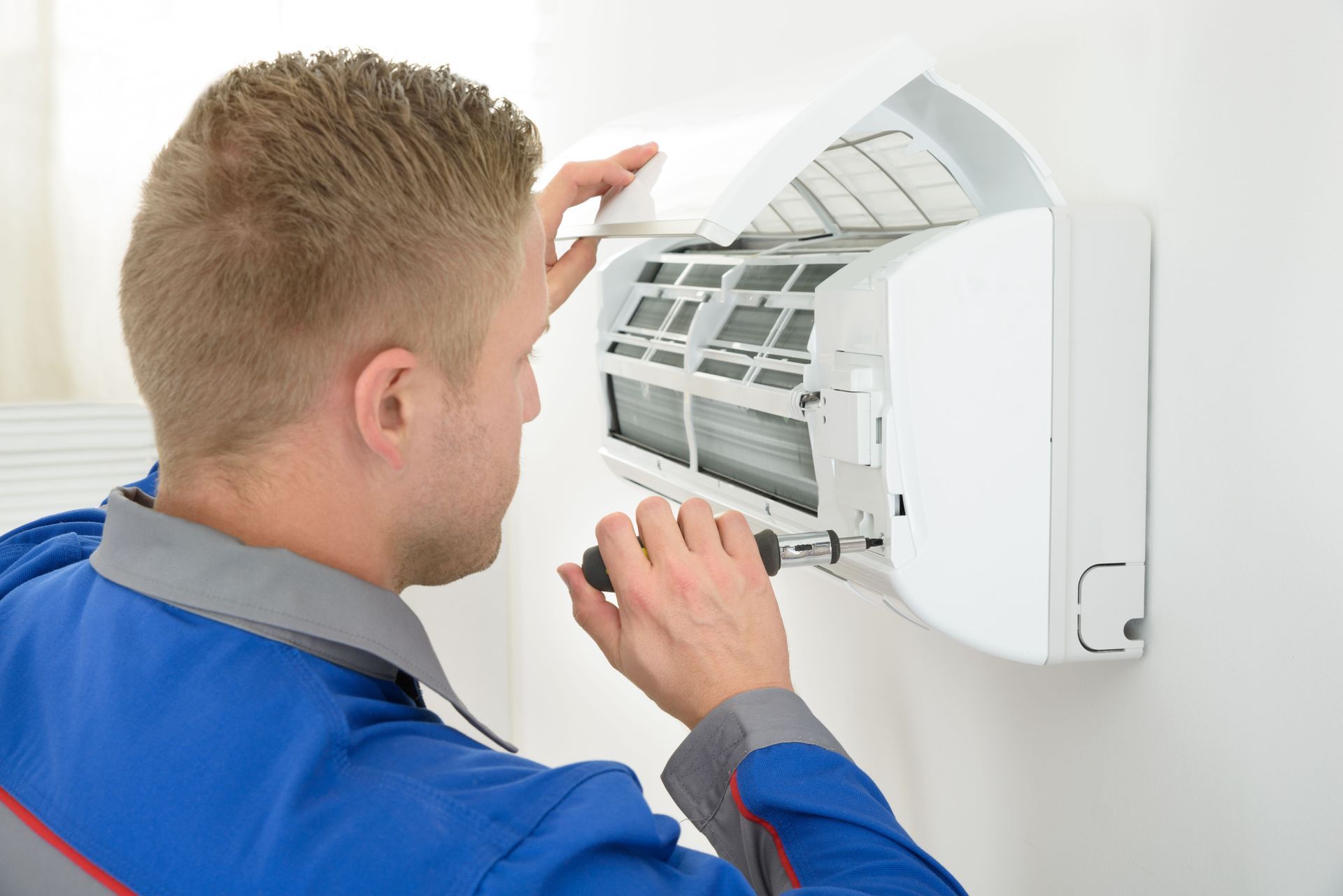
Seasonal tune-ups play a key role in prolonging the life of HVAC systems. During these tune-ups, professionals make necessary adjustments to various components such as belts, blower motors, and fan blades. Proper alignment and tension of these components prevent excessive wear and tear. Seasonal adjustments also ensure that the system efficiently transitions from heating to cooling and vice versa. Addressing these details minimizes stress on the system, which can lead to longer equipment life.
Calibrating Thermostats for Efficiency
Calibrating thermostats during a seasonal tune-up is essential for system efficiency and comfort. A properly calibrated thermostat ensures the system heats or cools to the desired temperature without unnecessary cycling. This also minimizes energy waste and reduces utility costs. Additionally, accurate thermostat settings prevent overworking HVAC components, enhancing system durability. This preventive measure is a small investment that pays off in reduced operational costs and extended system longevity.
Checking Refrigerant Levels
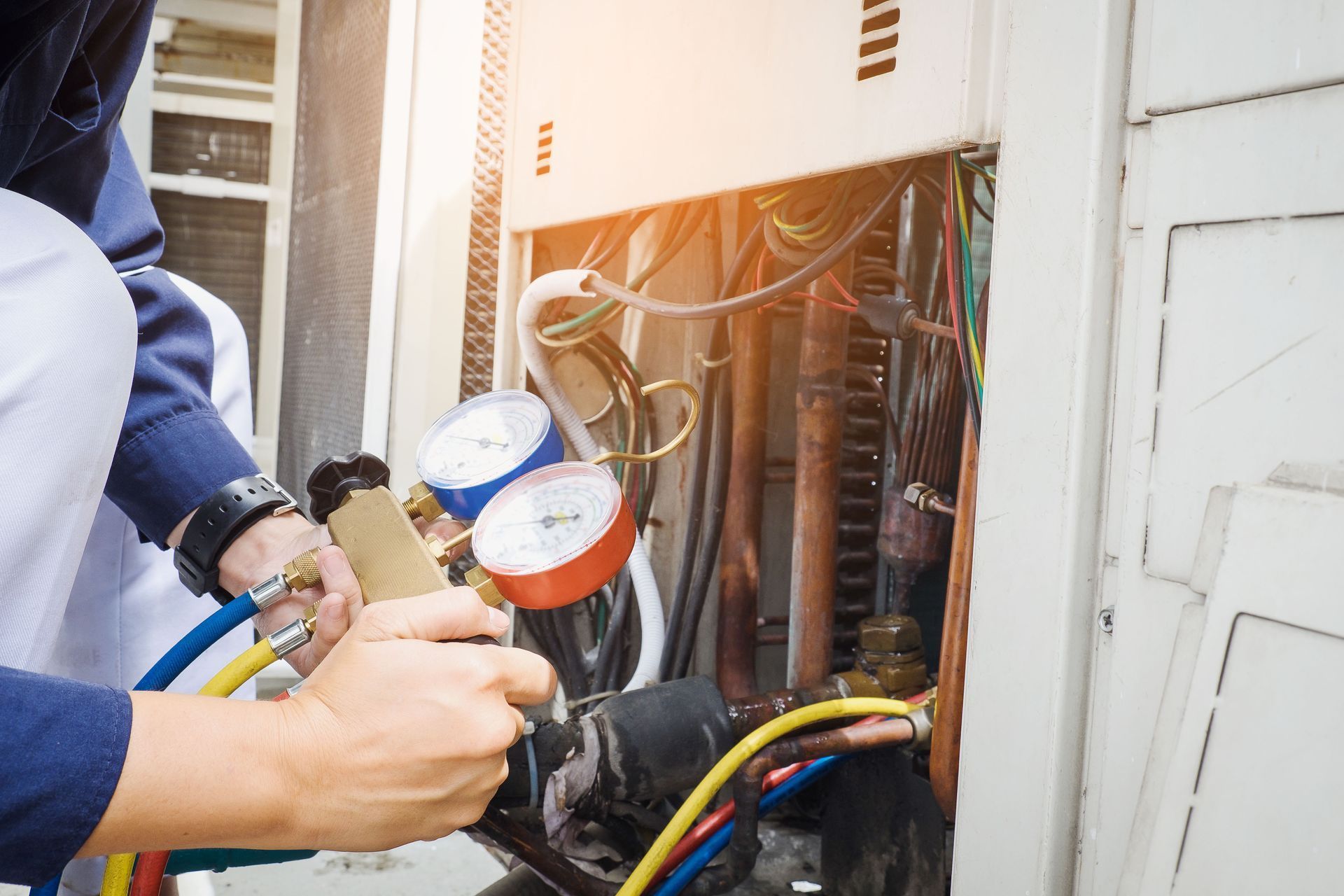
Checking and recharging refrigerant levels is a critical step in seasonal tune-ups that contributes to HVAC efficiency. Low refrigerant levels stress the system, causing it to work harder to achieve desired thermal conditions. This added strain can lead to compressor failure, a costly component to replace. Maintaining proper refrigerant levels ensures effective cooling, preserves energy efficiency, and extends system life. This routine check protects your investment and reduces the risk of expensive repairs.
The Role of Cleaning in Extending System Life
Preventing Build-up and Blockages
Regular cleaning of HVAC components is crucial to prevent build-up and blockages. Dust, debris, or mold accumulation within the system hinders airflow and can lead to mechanical failure. Build-up can also lead to overheating and increased wear on components. By maintaining clean coils and air ducts, heat exchange processes remain efficient, reducing the workload on compressors and fans. This regular maintenance routine prevents significant issues, contributing to system longevity.
Reducing System Stress
Clean systems run more smoothly, reducing overall stress on the HVAC machinery. When systems are free from dirt and debris, they operate efficiently without excess mechanical strain. This stress reduction prevents components from wearing out prematurely. Over time, regular cleaning minimizes the chances of critical parts failing, extending the overall life of the system. A well-maintained and less-stressed system is less prone to unexpected breakdowns and expensive repairs.
Improving Air Quality
The cleanliness of an HVAC system directly impacts indoor air quality. Dirty filters and ducts can lead to poor air circulation and carry pollutants throughout the living space. A clean system reduces the prevalence of allergens and enhances the overall air quality in your home or office. This is not only beneficial for health reasons but also decreases the likelihood of contaminants damaging your HVAC components. Ensuring clean air circulation with HVAC services helps to maintain the system's performance and longevity.
Importance of Timely Repairs and Replacements
Identifying Necessary Repairs Early
Regular maintenance and timely repairs are essential for preventing minor problems from escalating into costly repairs. Identifying necessary repairs early allows for addressing issues before they compromise system components. This proactive approach helps maintain consistent performance and efficiency. According to HomeGuide, replacing an HVAC system is a consideration if it's over 10 years old and repair costs exceed 30% of a new unit. By acting promptly on required repairs, you protect your system's longevity and functionality.
Avoiding Emergency Service Calls
Timely repairs minimize the likelihood of needing emergency service calls, which are often costly and inconvenient. Addressing minor issues as they arise prevents them from growing into significant problems that result in system failure. Regular check-ups and maintenance allow for resolving these issues before they necessitate emergency repairs. This not only saves money but also ensures continuous comfort within the home or building. Predictable maintenance schedules provide peace of mind and extend system life.
Upgrading Components When Necessary
Upgrading components as needed is part of ensuring your HVAC system keeps running efficiently over time. As technology advances, newer HVAC components may offer more efficient operation than older counterparts. Keeping the system updated minimizes energy consumption and improves performance. Such proactive replacements also introduce improved safety features, reducing risks associated with outdated equipment. Considering prudent upgrades ensures your system remains reliable and long-lasting.
Energy Efficiency and Cost Savings
Reducing Energy Consumption
Energy efficiency is a vital aspect of HVAC services, directly impacting system longevity and cost savings. Routine servicing leads to lower energy consumption, as the system operates efficiently without wasted resources. Proper maintenance routinely checks system metrics, ensuring optimal efficiency with less effort from the system. This focus on energy efficiency lessens wear on components and reduces operational costs, highlighting a critical benefit of regular service. Ultimately, better efficiency contributes to extended system life by reducing undue strain.
Lowering Utility Bills
Efficient HVAC systems significantly lower utility bills, benefiting your household budget. Such efficiency is achieved through regular maintenance that enhances system operation, minimizing wasted energy. For instance, cleaning filters and ducts allows for smooth airflow, reducing the workload and energy consumption. Over time, these savings accumulate, offsetting the cost of regular service through reduced bills. Investing in maintenance translates into financial savings and a longer-lasting system.
Improving System Performance
The performance of your system is heightened by regular maintenance, maximizing the benefits of your HVAC investment. Peak performance maintains comfortable indoor temperatures and air quality while minimizing frequent adjustments. A well-calibrated system aligns with your specific needs, adapting to seasonal changes efficiently. Improved performance means less wear on components, subsequently reducing the chances of breakdowns. Maintenance, therefore, is a strategic approach to preserving HVAC efficacy and extending system life.
Routine HVAC services are essential not only for optimal comfort and performance but also for extending the life of your system. By investing in regular maintenance, seasonal tune-ups, cleanliness, timely repairs, energy efficiency, and fostering strong relationships with HVAC professionals, you can ensure your system operates efficiently and lasts longer. Implementing these practices is a smart and sustainable way to protect your investment and enjoy a reliable heating and cooling solution for many years to come. Be sure to contact J+A HVAC & MORE if you need reliable routine HVAC services!