October 15, 2026
Indoor air quality can have a major impact on comfort and well-being, especially when pollutants become trapped inside the home. High-efficiency climate control systems can help filter airborne contaminants, regulate humidity, and maintain comfortable temperatures. Understanding how these systems improve indoor air can help homeowners make informed decisions about maintaining a cleaner, healthier living environment.
Understanding Indoor Air Quality
Indoor air quality affects comfort, health, and overall well-being. People spend much of their time indoors, where pollutants can build up when ventilation is limited. Dust, pollen, smoke, mold, pet dander, and volatile organic compounds (VOCs) can all affect the air inside a home. A properly maintained HVAC system can help manage these contaminants while regulating temperature and humidity.
Identifying Common Indoor Pollutants
Indoor pollutants come from many everyday sources. Cleaning products, paints, furnishings, cooking, smoking, and outdoor air can introduce particles and chemicals into living spaces. Mold and other biological pollutants can also develop when humidity remains too high. Effective filtration and ventilation help reduce the concentration of these contaminants and support a cleaner indoor environment.
Recognizing Health Effects
Poor indoor air quality can contribute to headaches, fatigue, irritation, allergies, and respiratory discomfort. People with asthma or other respiratory sensitivities may be particularly affected by airborne irritants. Maintaining cleaner air can help reduce exposure to common triggers and create a more comfortable environment for household occupants.
Examining High-Efficiency Climate Control
Understanding System Functions
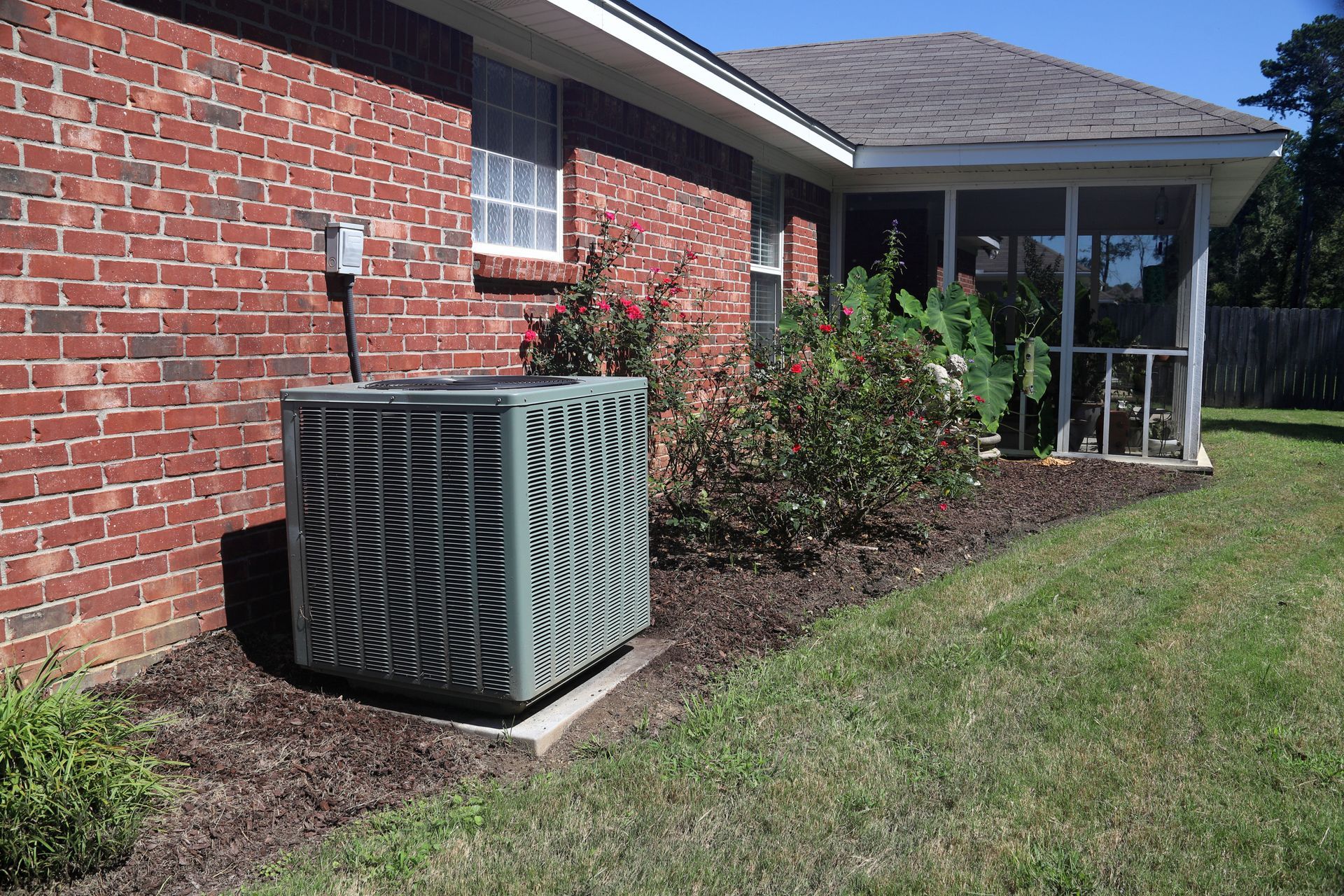
An HVAC system helps regulate temperature, humidity, ventilation, and air circulation. High-efficiency systems are designed to provide these functions while using energy more effectively. Proper airflow also helps filtration systems capture airborne particles as air moves throughout the home. Regular maintenance is essential for keeping these components operating as intended.
Maintaining Clean Air Filters
Air filters play an important role in both air quality and system efficiency. According to the U.S. Environmental Protection Agency, running a dirty, clogged air filter on a home climate system can trigger a 10% instant penalty in total energy consumption. Replacing or cleaning filters according to the manufacturer's recommendations can support better airflow, reduce unnecessary energy use, and help keep airborne particles under control.
Using Advanced System Features
Modern high-efficiency systems may include variable-speed motors, smart thermostats, zoning controls, and advanced filtration. These features allow equipment to respond more precisely to changing conditions inside the home. Instead of operating at the same level continuously, some systems can adjust output based on temperature, occupancy, and other factors, helping balance comfort and energy use.
Exploring Air Filtration Technologies
Using Mechanical Filters
Mechanical filters capture airborne particles as air passes through the filtration material. Higher-efficiency filters can capture smaller particles, including dust, pollen, and other common household contaminants. Selecting an appropriate filter is important because an overly restrictive filter may affect airflow if the system is not designed to accommodate it.
Adding Carbon Filtration
Activated carbon filters provide another approach to improving indoor air. Rather than focusing primarily on particles, carbon absorbs certain odors and gaseous pollutants, including some VOCs. When appropriate, combining carbon filtration with mechanical filtration can provide broader air-cleaning capabilities.
Considering UV Air Treatment
Ultraviolet light technology can be incorporated into some climate control systems to help reduce certain microorganisms that pass through the equipment. UV treatment works differently from conventional filters because it is intended to affect microorganisms rather than simply capture particles. When properly designed and maintained, it can complement other air-cleaning methods.
Combining Filtration Methods
No single filtration technology addresses every type of indoor pollutant. Mechanical filters are useful for particles, carbon filters can help with certain gases and odors, and UV technology may provide additional microbial control. A properly selected combination can provide more comprehensive air-quality management while maintaining appropriate system airflow.
Improving Health and Comfort
Reducing Common Allergens
Dust, pollen, pet dander, and other particles can become airborne and circulate throughout a home. Effective filtration helps capture these materials before they continue moving through living spaces. Reducing airborne allergens can make indoor environments more comfortable, particularly during seasons when outdoor pollen levels are elevated.
Managing Humidity Levels
Temperature is only one part of indoor comfort. Excessive humidity can encourage mold growth and create conditions that allow dust mites to thrive, while excessively dry air may cause skin and respiratory irritation. A properly maintained HVAC system can help keep humidity within a more comfortable range, supporting both air quality and overall indoor comfort.
Supporting Respiratory Wellness
Cleaner indoor air can reduce exposure to particles and irritants that affect the respiratory system. Regular maintenance, appropriate filtration, adequate ventilation, and humidity control all contribute to a healthier indoor environment. These measures are especially valuable in homes where occupants are sensitive to airborne pollutants.
Maximizing Energy Efficiency
Improving System Performance
Energy efficiency and indoor air quality often work together. Restricted airflow caused by clogged filters in your HVAC can force equipment to work harder, while poorly maintained components can reduce overall performance. Routine inspections and timely maintenance help keep the system operating efficiently and can reduce avoidable energy consumption.
Reducing Environmental Impact
Using less energy for heating and cooling can reduce a home's overall environmental impact. High-efficiency equipment, smart controls, proper insulation, and regular maintenance can all contribute to more responsible energy use. Keeping air filters clean is another simple step that can support efficient operation throughout the year.
Controlling Long-Term Costs
Efficient climate control can also help homeowners manage operating expenses. A system that maintains appropriate airflow and operates without unnecessary strain may use less energy over time. Preventive maintenance can also identify developing problems before they lead to larger repairs or premature equipment replacement.
Exploring Future Climate Control Technology
Advancing Smart Controls
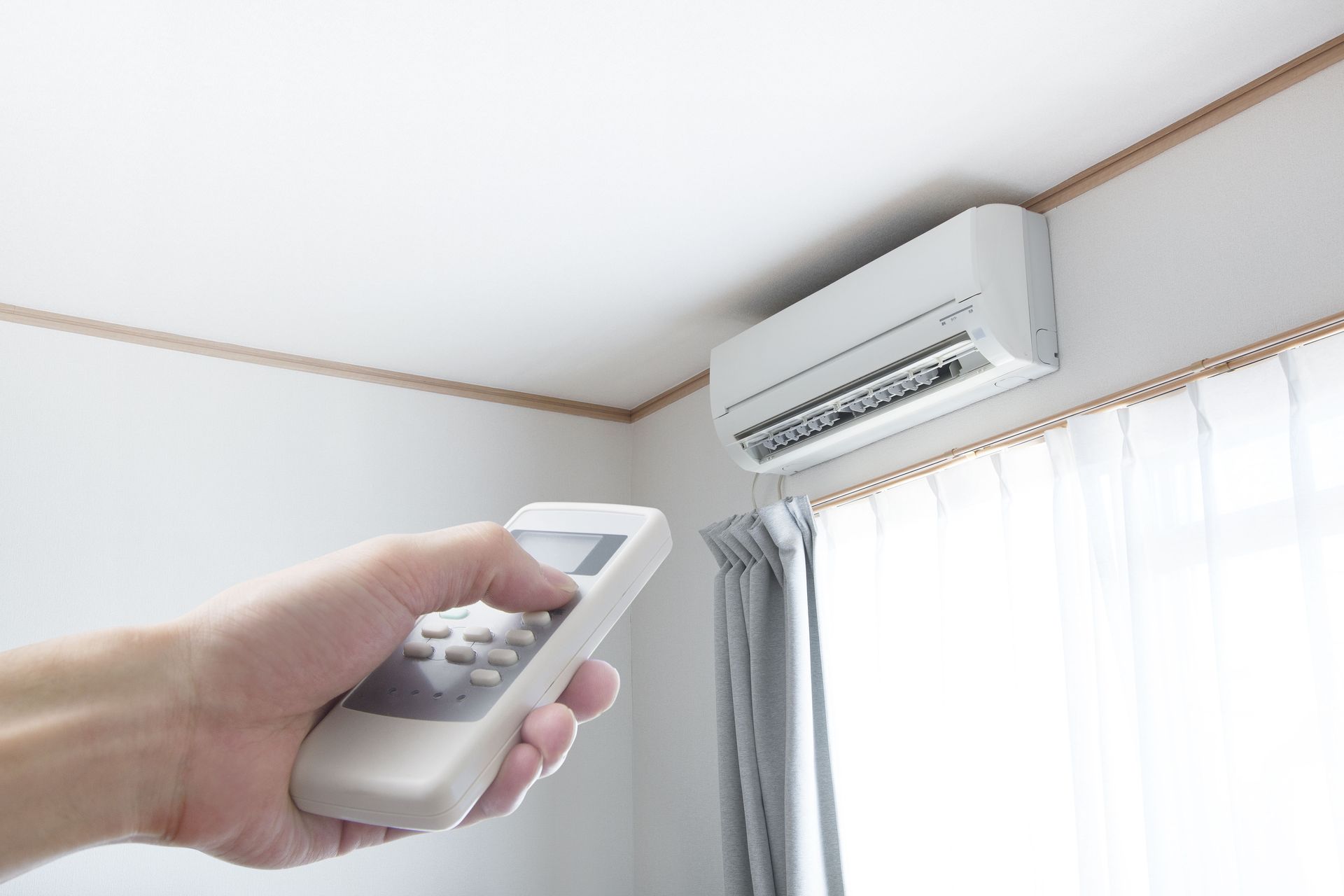
Smart thermostats and connected controls are becoming increasingly common in residential climate management. These technologies can provide greater control over temperature settings and may adjust operation based on schedules, occupancy, or changing conditions. Remote access also allows homeowners to monitor and adjust settings when they are away.
Expanding Air-Cleaning Options
Air-cleaning technology continues to develop as homeowners seek better ways to manage indoor pollutants. Improvements in filtration, sensors, purification equipment, and ventilation controls may provide increasingly targeted approaches to air quality. These technologies can work alongside conventional climate control rather than replacing the fundamentals of proper maintenance and ventilation.
Enhancing HVAC Design
Future HVAC designs are expected to place greater emphasis on efficiency, automation, zoning, and indoor air quality. Variable-output equipment can provide more precise temperature control, while connected sensors may help systems respond to changing indoor conditions. These developments can make climate control more responsive while reducing unnecessary energy consumption.
Maintaining Cleaner Indoor Air
Scheduling Regular Maintenance
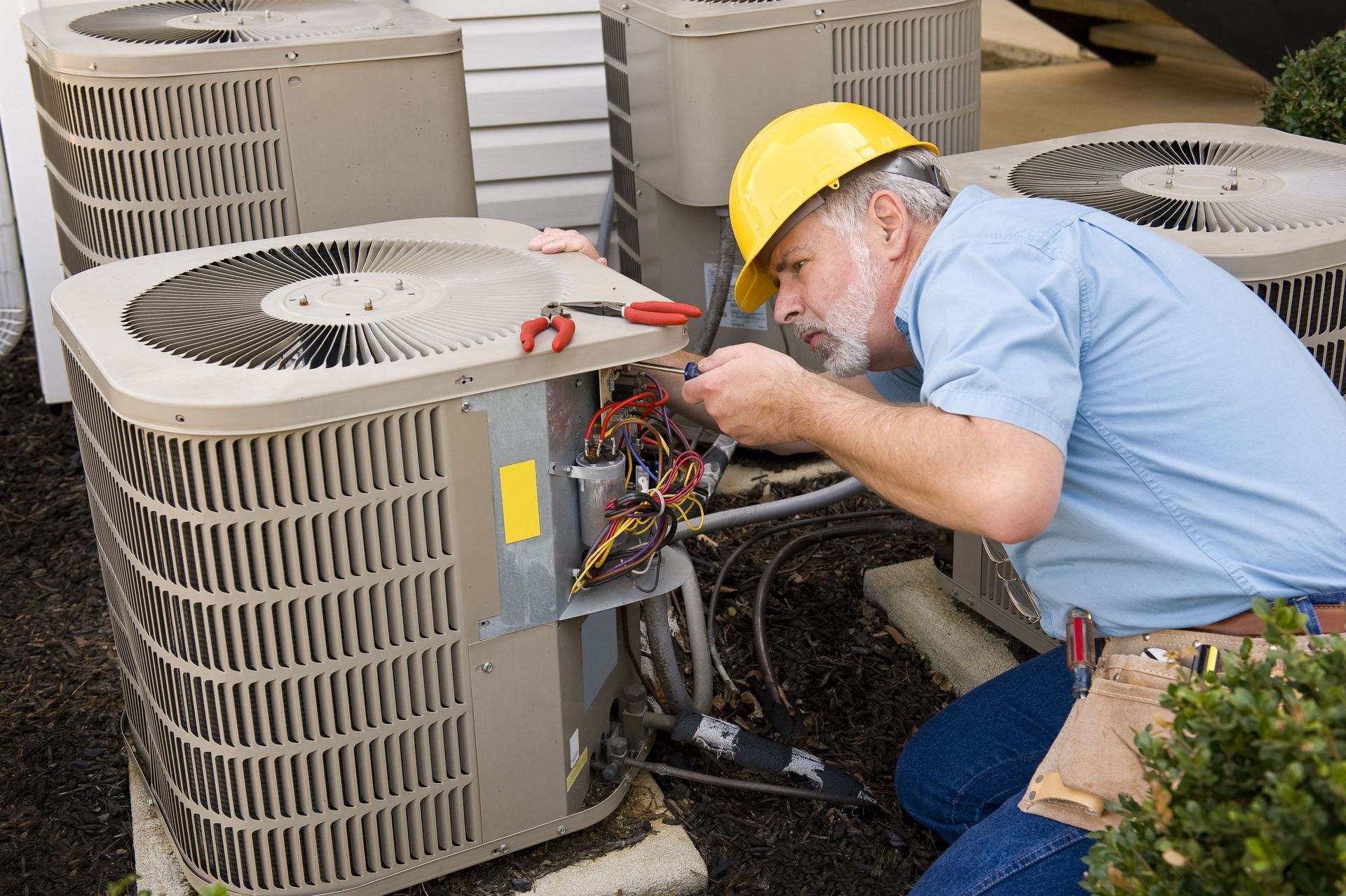
Even advanced equipment requires regular attention. Homeowners should follow manufacturer recommendations for filter replacement, inspections, and professional service. Checking airflow, cleaning appropriate components, and addressing unusual noises or performance changes can help maintain reliable operation.
Choosing Professional Service
Professional service can help homeowners select appropriate equipment, identify maintenance concerns, and improve overall system performance. A qualified technician can evaluate the home's heating and cooling needs while considering airflow, filtration, efficiency, and comfort. These factors should be considered together rather than treating air quality as a separate concern.
Improving Indoor Comfort
High-efficiency climate control can play an important role in creating cleaner, more comfortable indoor spaces. Effective filtration, proper ventilation, humidity management, and routine maintenance work together to reduce pollutants while supporting efficient operation. For homeowners who want dependable comfort and better indoor air quality, professional guidance can help identify the right solutions.
Homeowners interested in improving indoor comfort, air quality, and system efficiency can turn to J+A HVAC & MORE for professional assistance. Proper equipment selection and ongoing maintenance can help create a healthier and more energy-conscious home environment.