October 9, 2026
Our homes are personal sanctuaries, yet quiet inefficiencies hiding behind the walls constantly drain energy and push utility bills higher. Unseen air leaks, poor insulation, and outdated equipment pull conditioned air right out of living areas, forcing heating and cooling systems to work far harder than necessary. These preventive evaluations also help pinpoint potential ventilation issues before they impact daily household comfort. Partnering with trained technicians allows property owners to create customized energy-saving plans tailored specifically to their building's unique architectural layout.
Understanding How Air Leaks and Duct Deficiencies Drain Energy
A house's internal duct network acts as its primary respiratory system, circulating warmed or cooled air into every room throughout the changing seasons. When individual connections pull apart or seams crack over time, conditioned air spills directly into attics, crawlspaces, and wall cavities instead of reaching primary living spaces. According to This Old House, leaks can cause air ducts to lose up to 30% of airflow, which drastically weakens overall heating and cooling output across the entire building. When nearly a third of your conditioned air vanishes before entering the room, your entire climate control setup must run longer cycles and draw significantly more electricity to keep indoor temperatures stable. Over several months, this continuous output loss adds substantial costs to your energy bills while accelerating mechanical wear across critical blower assembly components.
Addressing ductwork issues requires a careful, highly methodical approach to ensure supply and return air stays fully contained within the intended duct paths. Professional sealing using durable mastic compounds, specialized foil tapes, or modern aerosol sealants effectively closes wide gaps and permanently strengthens vulnerable joints. A certified local HVAC contractor uses specialized pressure testing tools to locate hidden air leaks behind drywall, ensuring optimal airflow, improved indoor air quality, and immediate energy savings. By repairing these hidden leaks, homeowners can instantly reduce strain on equipment, minimize household dust accumulation, and enjoy more consistent temperatures across every single room in the home. Properly sealed duct networks also prevent harsh crawlspace dampness and attic contaminants from being pulled into the active indoor air supply, creating a noticeably fresher living space for your family.
Optimizing Insulation for Year-Round Climate Control
Insulation serves as the essential protective thermal barrier that keeps internal energy where it belongs during extreme summer heat or freezing winter conditions. Over time, original insulation materials can settle, shift out of place, or deteriorate due to hidden moisture exposure, leaving wide gaps inside exterior wall cavities and attics. These uninsulated pockets allow thermal energy to move freely into or out of the house, forcing heating and cooling equipment to run almost continuously. Upgrading older insulation with modern fiberglass, high-density cellulose, or spray foam restores proper thermal resistance and establishes a firm defense against unwanted heat transfer. Upgraded insulation works continuously to stabilize room temperatures, allowing your thermostat to maintain settings without triggering rapid, repetitive cycling throughout the day.
Selecting the proper insulation material depends heavily on local weather patterns, regional humidity levels, and specific structural architectural needs. High-grade spray foam provides superior air sealing for complex rooflines and awkward corners, while rigid panels offer exceptional thermal resistance for tighter wall cavities. Consulting a skilled local HVAC contractor allows homeowners to combine insulation upgrades with proper attic ventilation strategies, preventing unwanted moisture buildup while maximizing thermal efficiency across every season. Properly balanced insulation significantly dampens outside noise levels, creates a more peaceful indoor environment, and maintains stable room temperatures even during severe weather spikes. Correctly installed insulation barriers also protect structural framing members from condensation risks, ensuring your home remains sturdy and well-protected for decades to come.
Eliminating Drafts Around Windows and Exterior Doors
Small cracks around window frames and exterior door jambs act as constant, uninhibited pathways for unwanted outdoor air to penetrate the home. During colder months, warm indoor air leaks out through upper gaps while cold drafts pull in through lower openings, creating uncomfortable temperature variations across different rooms. Homeowners often notice these leaks through rattling window panes, subtle whistling sounds during windy days, or visible dust accumulation along trim lines. Sealing these exterior gaps stops persistent drafts, reduces air infiltration, and protects interior living comfort year-round. These continuous weatherization efforts also block outdoor humidity and allergens from entering living spaces, noticeably improving indoor air purity. Eliminating perimeter drafts helps stabilize humidity levels across every bedroom, preventing dry seasonal air from disturbing your household's nightly rest.
Modernizing Outdated Heating and Cooling Equipment
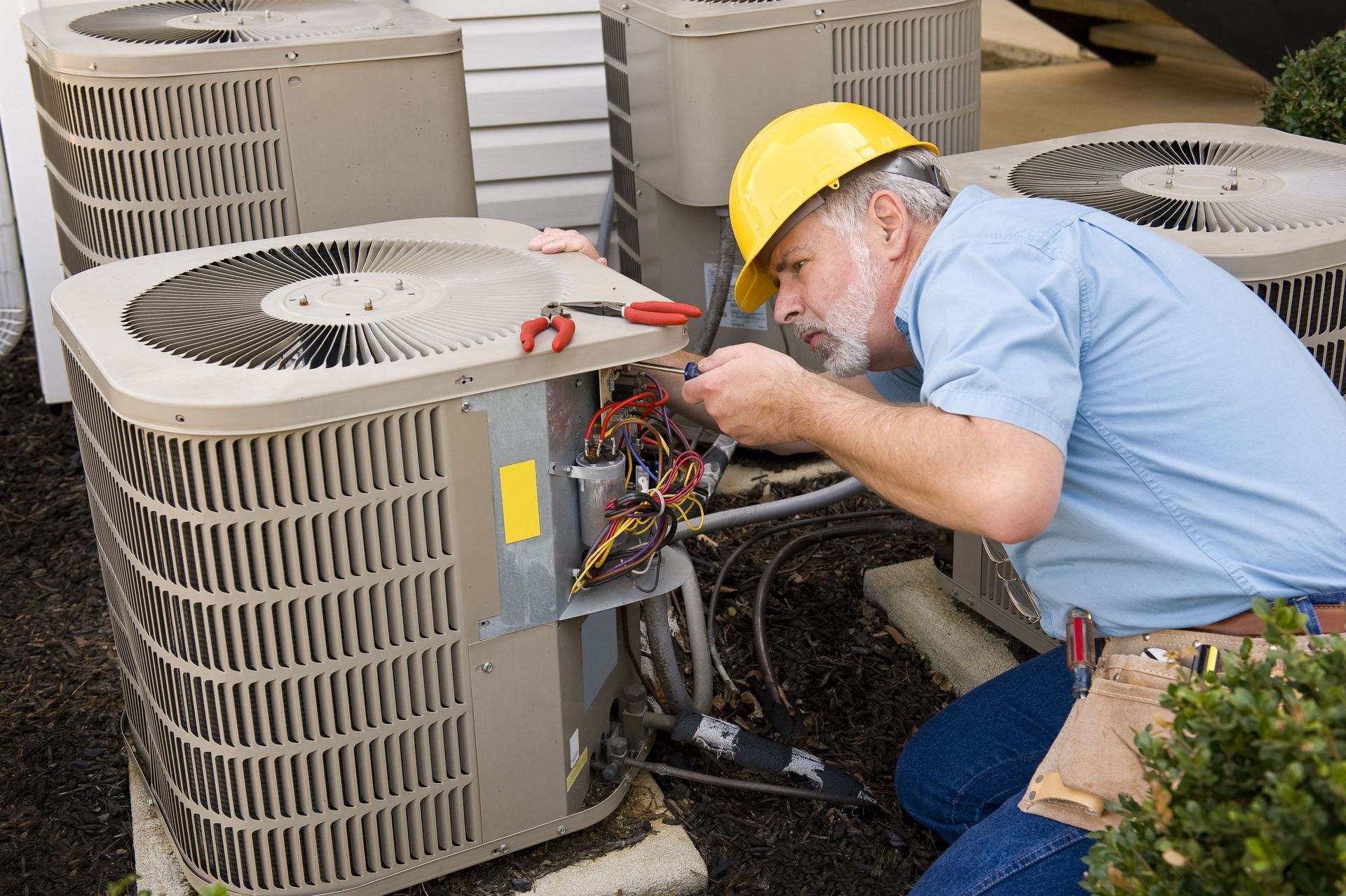
Heating and cooling units that have been in service for more than ten to fifteen years often lack the modern technology required for peak energy performance. Aging components like worn compressor motors, dirty evaporator coils, and outdated blower fans consume excess electricity while struggling to keep indoor temperatures consistent throughout the home. Frequent service calls, steadily rising monthly power bills, and unusually noisy operation are clear signals that an older unit is reaching the end of its useful lifespan and consuming unnecessary power. Replacing an inefficient legacy unit eliminates constant emergency repair bills and guarantees worry-free operation during peak seasons. Modern heating and cooling equipment also operates with much safer electrical standards, providing added security for your household.
Upgrading to modern high-efficiency systems provides immediate comfort improvements and substantial long-term operational savings for homeowners. Today's advanced heat pumps and central air conditioners feature variable-speed compressors and smart communication controls that adjust energy output based on real-time indoor demands. Partnering with a qualified local HVAC contractor ensures your new system is sized correctly for your home's unique layout, delivering whisper-quiet operation, lowered monthly power costs, and reliable performance year after year. Modern systems also integrate seamlessly with smart thermostats, allowing homeowners to customize heating schedules remotely and track energy usage in real time. Advanced system diagnostics provide instant alerts if performance dips, ensuring quick maintenance responses before major component issues can arise.
Managing Standby Electrical Loads and Water Heating
Beyond main heating and cooling units, household electronics and essential appliances continuously draw small amounts of electricity even when switched completely off. Known as phantom loads, devices like smart televisions, gaming consoles, digital microwave clocks, and continuous chargers draw continuous power around the clock. Connecting entertainment setups, home office gear, and secondary electronics to smart power strips or automated timer plugs automatically cuts off standby power when devices are inactive, helping eliminate silent energy waste without sacrificing daily convenience. Managing these small electrical draws lowers baseline utility demands, allowing your entire home to operate far more efficiently every month of the year.
Water heating systems also represent a major portion of annual residential energy use, especially when older tank models continuously reheat standing water day and night. Switching to on-demand tankless water heaters eliminates continuous standby losses by heating water rapidly only as it flows directly through the unit. Combining efficient water heating habits with automated power management helps streamline total household energy use, reducing monthly utility expenses while supporting a cleaner, more sustainable living environment. Lowering overall electrical draw reduces continuous grid demand and protects sensitive electronic devices from sudden household power surges. Modern tankless water heating units also free up valuable floor space in basements or utility closets, giving you more usable storage area.
Maintaining Long-Term Home Energy Performance
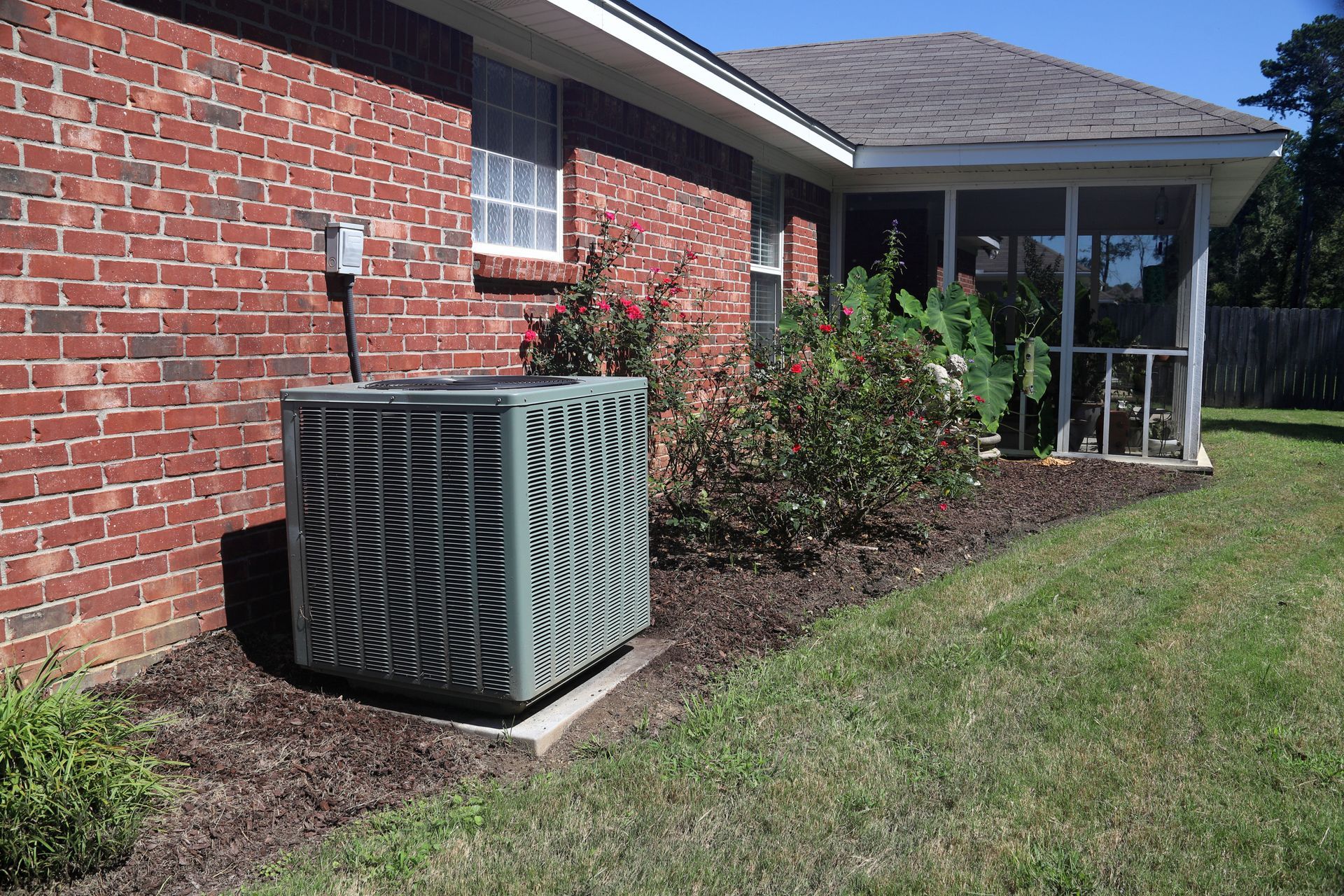
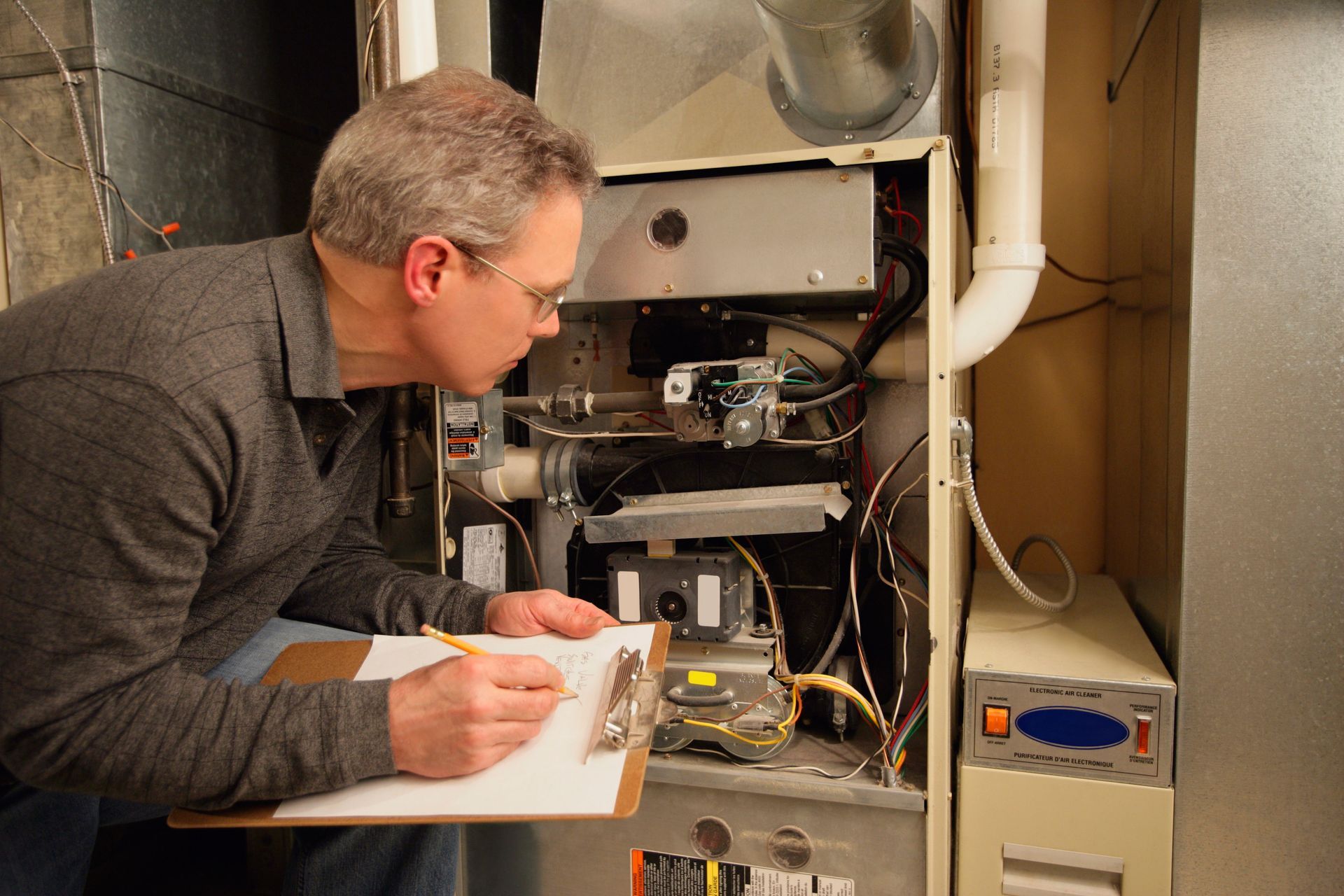
Keeping a home energy-efficient over many years requires consistent care, timely maintenance, and proactive equipment management strategies. Simple home maintenance habits like replacing return air filters every one to three months, keeping outdoor condenser units clear of yard debris, and inspecting exposed ductwork keep airflow pathways clear and efficient. Routine seasonal checkups allow technicians to identify minor component wear early, clean vital heat-transfer coils, and recalibrate system controls before small mechanical issues turn into costly unexpected breakdowns. Establishing a regular tune-up schedule keeps all moving parts lubricated and running smoothly, preventing sudden summer or winter system failures.
Working alongside an experienced local HVAC contractor guarantees that all mechanical equipment functions safely, cleanly, and at peak seasonal performance. Over time, these cumulative improvements significantly increase your home's overall market resale value while reducing your long-term environmental footprint. For comprehensive system evaluations, professional duct sealing, and high-efficiency equipment upgrades, reach out to the experienced team at J+A HVAC & MORE.