October 16, 2026
Understanding how HVAC systems influence the air quality in indoor environments is crucial for both health and comfort. Whether it's at home or in a commercial setting, the air we breathe plays a significant role in our overall well-being. This article explores the various ways these systems impact air quality and what role HVAC contractors play in optimizing this. By identifying and addressing these factors, we can ensure healthier indoor environments for everyone.
How do HVAC systems affect indoor air quality?
Control of Temperature and Humidity
HVAC systems are essential in regulating both temperature and humidity levels, two critical factors of indoor air quality. Properly controlled temperature and humidity can prevent the growth of mold, mildew, and other allergens that thrive in moist environments. By keeping these elements in balance, HVAC systems minimize the risks associated with excessive dryness or dampness, contributing to a healthier living space. The comfort and health benefits of an optimal indoor environment are significant, reducing risks of respiratory problems and allergies.
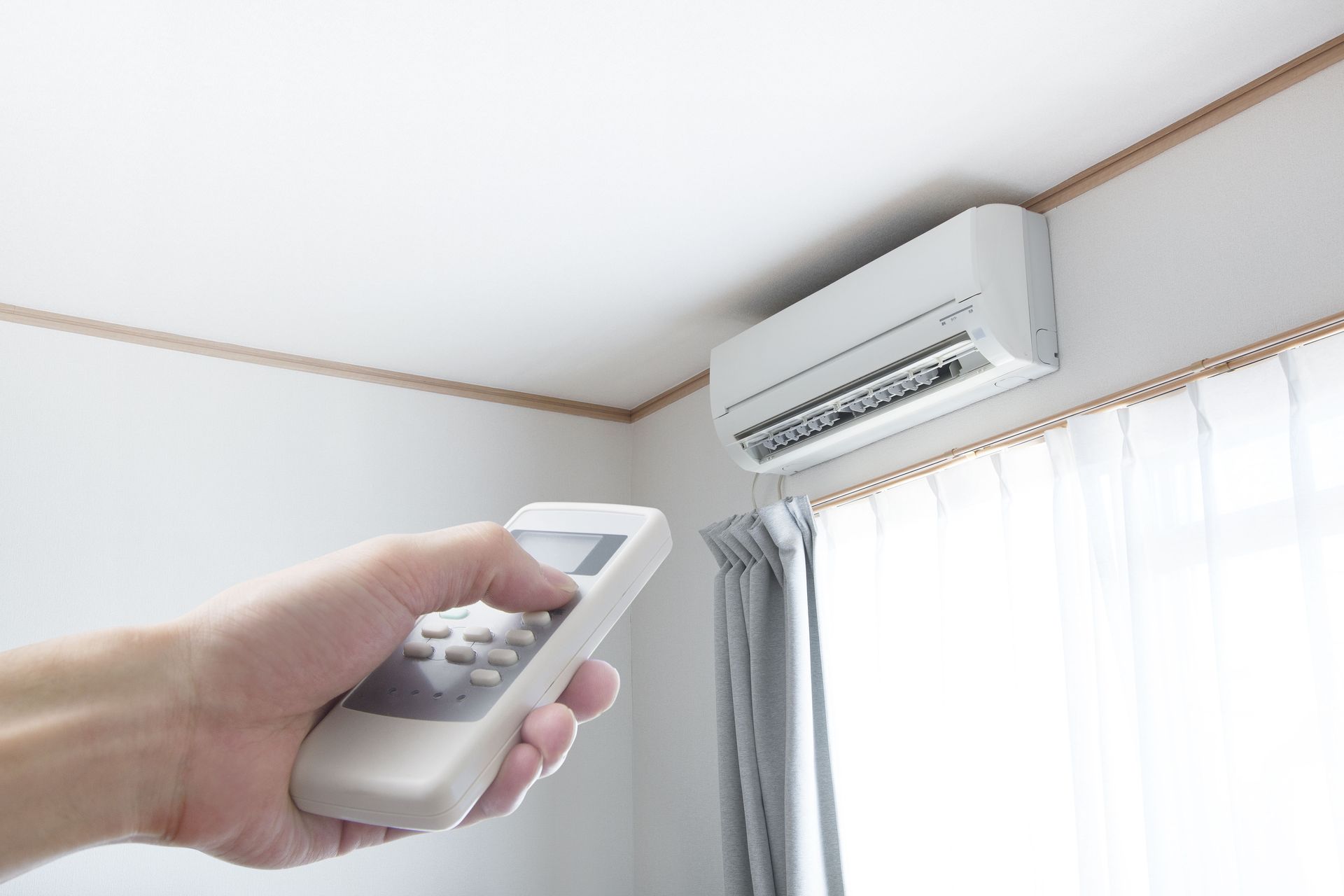
Proper temperature and humidity management can also enhance productivity and comfort, particularly in work environments. An effective HVAC system adjusts these parameters according to the season and user preferences, providing consistent comfort year-round. Moreover, technological advancements in HVAC systems now allow for more precise control, enabling users to maintain an environment that supports optimal air quality. This control is crucial for reducing energy consumption and costs while improving indoor air quality.
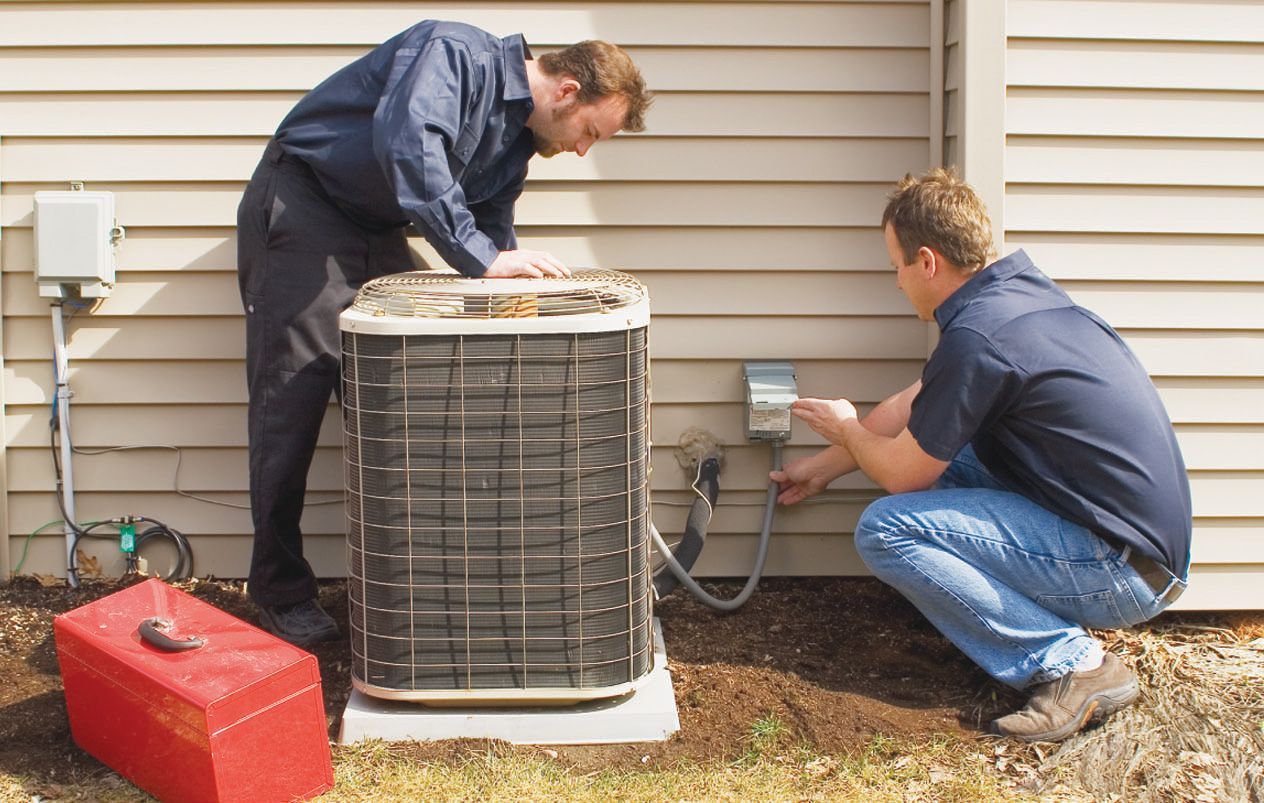
Regular maintenance by HVAC contractors ensures that these systems function efficiently and effectively. By preventing the common pitfalls of malfunctioning or outdated HVAC systems, contractors can significantly boost the performance of air quality management. With a commitment to optimal functionality, HVAC professionals offer essential services that contribute to a better indoor environment. It is recommended that users regularly consult with HVAC contractors to maintain performance and maximize the life of their systems.
Ventilation and Airflow Improvements
Ventilation is a key component of indoor air quality, and HVAC systems play a crucial role in ensuring proper airflow. Effective ventilation prevents the buildup of pollutants, ensuring a continuous supply of fresh air indoors. By improving air circulation, HVAC systems help eliminate contaminant concentrations that pose health hazards. Proper design and installation by HVAC contractors are vital to achieving optimal ventilation.
Inadequate airflow can lead to uncomfortable and unhealthy indoor conditions, including the accumulation of carbon dioxide and volatile organic compounds (VOCs). These pollutants can cause health issues ranging from headaches and fatigue to more severe respiratory problems. Effective HVAC systems address these concerns by facilitating the removal of stale air and introduction of fresh air. Well-designed systems contribute to a more comfortable and healthier indoor environment.
The installation of new HVAC systems, which could take from 1 to 2 days with existing ductwork and 3 to 5 days for new ductwork according to HomeGuide, provides an opportunity to enhance these ventilation capabilities. Skilled HVAC contractors can ensure that the layout and components of the system maximize airflow and efficiency. By optimizing these elements, contractors play a vital role in maintaining indoor air quality. Clients should consider these factors when installing or upgrading HVAC systems to achieve the best results.
What pollutants do HVAC systems help manage?
Dust and Allergens
Dust and allergens are prevalent indoor pollutants that HVAC systems can effectively manage. High-efficiency filters in HVAC systems capture airborne particles, such as dust mites and pet dander, reducing their presence indoors. By managing these particulate pollutants, HVAC systems can significantly improve indoor air quality, benefitting allergy and asthma sufferers. HVAC contractors are instrumental in selecting and maintaining these filtration systems to ensure their effectiveness.
Controlling dust and allergens through HVAC systems involves more than just filtration; it also requires proper airflow management. Efficient air circulation helps prevent dust accumulation and dispersion within indoor areas. By ensuring vents and ducts are clean and unobstructed, HVAC contractors contribute to a cleaner, healthier indoor environment. They assess and address ventilation needs to optimize air quality.
Regular maintenance plays a key role in managing dust and allergens with HVAC systems. HVAC contractors will replace filters and inspect other system components to ensure they are working correctly. Consistent maintenance not only helps control dust and allergens but also extends the lifespan of the HVAC system. Such diligence promotes a cleaner atmosphere and enhances the comfort of building occupants.
Mold and Mildew
HVAC systems are essential in controlling conditions that contribute to mold and mildew growth. By regulating humidity levels, these systems prevent mold from forming and spreading, protecting indoor air quality. Mold and mildew can pose significant health risks, making their prevention a priority for any HVAC system. HVAC contractors are critical in ensuring that systems are capable of maintaining appropriate humidity levels.
The moisture control capability of HVAC systems is particularly important for areas prone to dampness. Basements, bathrooms, and kitchens are common sites for mold growth, which HVAC systems can address through dehumidification and airflow management. Contractors play a vital role in designing and implementing solutions tailored to prevent mold and mildew. Their expertise ensures that systems are capable of responding to environmental changes and maintaining dryer conditions.
Maintaining optimal humidity and ventilation levels requires regular system assessments. HVAC contractors perform inspections to detect areas of concern and offer solutions to enhance system effectiveness. This preventive approach is vital in combating mold and mildew before they become major issues. For lasting indoor air quality improvements, collaborating with knowledgeable HVAC professionals is essential.
Why is regular maintenance important for HVAC systems?
Preventing System Failures
Preventing system failures is a prime reason for regular HVAC maintenance, directly impacting air quality. Breakdowns can lead to reduced airflow, compromised filtration, and ineffective temperature regulation, degrading indoor air conditions. HVAC contractors conduct routine assessments to identify potential failures and take preventive measures. Consistent maintenance ensures HVAC systems remain operational, maintaining their crucial role in air quality management.
Contractors identify and address component wear, inefficiencies, and other factors that contribute to system failures. By avoiding these failures, buildings sustain optimal air quality, offering occupants a comfortable and healthy environment. Furthermore, regular maintenance by professionals minimizes unexpected expenses, providing more predictable budgeting for building management. Building owners benefit from the reliability and performance of well-maintained HVAC systems.
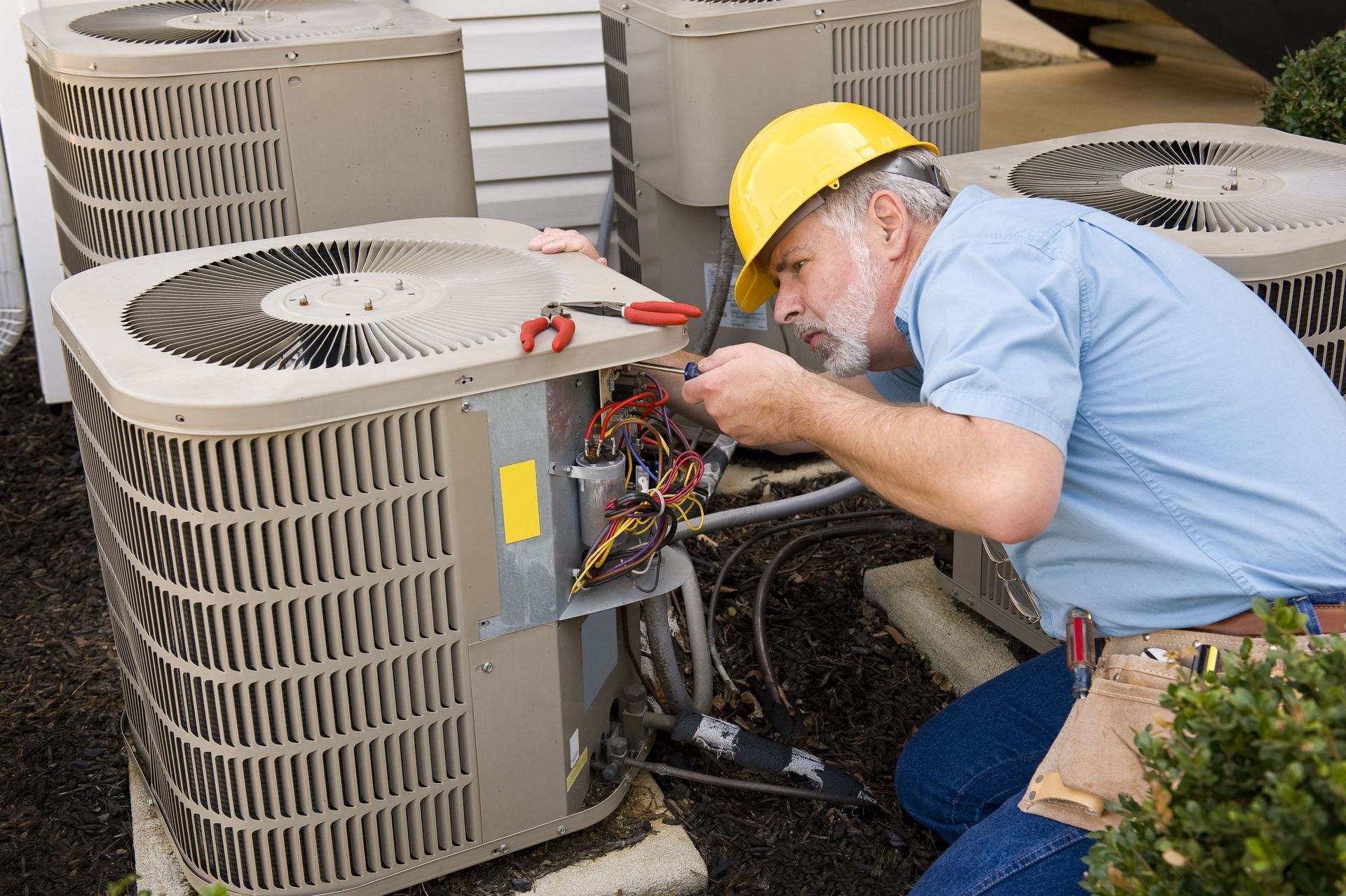
Trustworthy HVAC contractors offer comprehensive maintenance services that address every aspect of system health. Their proactive approach tackles potential issues before they result in failures, preserving system effectiveness and efficiency. These preventative efforts showcase the importance of contractor partnerships in maintaining peak HVAC system performance. Engaging professional services is the key to preventing costly and inconvenient system breakdowns, protecting both air quality and financial investment.
Enhancing System Efficiency
Regular maintenance is essential for enhancing the efficiency of HVAC systems, significantly impacting indoor air quality. Efficient systems use less energy to maintain ideal air conditions within a space, benefiting both the environment and the owner's budget. Employing highly efficient HVAC systems involves ongoing support from contractors who ensure alignment of components for optimal performance. Through professional maintenance, HVAC systems achieve and sustain energy efficiency.
Older systems, in particular, benefit from contractor evaluations that identify updates or upgrades needed to improve efficiency. Specialists provide insights into modern solutions for boosting system performance and lowering energy use. With HVAC contractors' guidance, building owners can enhance system efficiency, directly contributing to improved air quality and lower utility bills. Efficient systems not only provide comfort but also reflect a commitment to sustainability.
The collaboration between HVAC contractors and building owners enhances the effectiveness and efficiency of air quality solutions. Regular maintenance optimizes system settings, ensuring maximum energy conservation and pollutant management. HVAC professionals offer advice on operational best practices, contributing to ongoing efficiency improvements. With contractor support, HVAC systems deliver superior performance, impacting the quality of life for all building occupants.
Investing in an effective HVAC system and regular consultation with skilled HVAC contractors can notably improve indoor air quality, promoting a healthier and more comfortable living environment. HVAC contractors play a crucial role in ensuring systems are well-maintained and functioning at peak performance. By adhering to routine maintenance and leveraging advanced technology, contractors help sustain improved air quality over time. Future advancements continue to provide promising options for further air quality improvements, securing safer and more pleasant indoor environments. Reach out to J+A HVAC & MORE today to see how we can help you!